LIHTC COMPLIANCE SOFTWARE · SECTION 42 · TIC
Get the TIC right before it is signed, not at the file audit.
ExactEstate records the project’s set-asides, elections, state or HFA profile and layered funding once. It then checks each Tenant Income Certification against them. The income limit, the form and the unit are read from the project, not from a specialist’s memory.
The wrong form, wrong income calculation or misunderstood state requirement is not a small software error. It is an audit problem.
LIHTC compliance software that starts with the project’s rules.
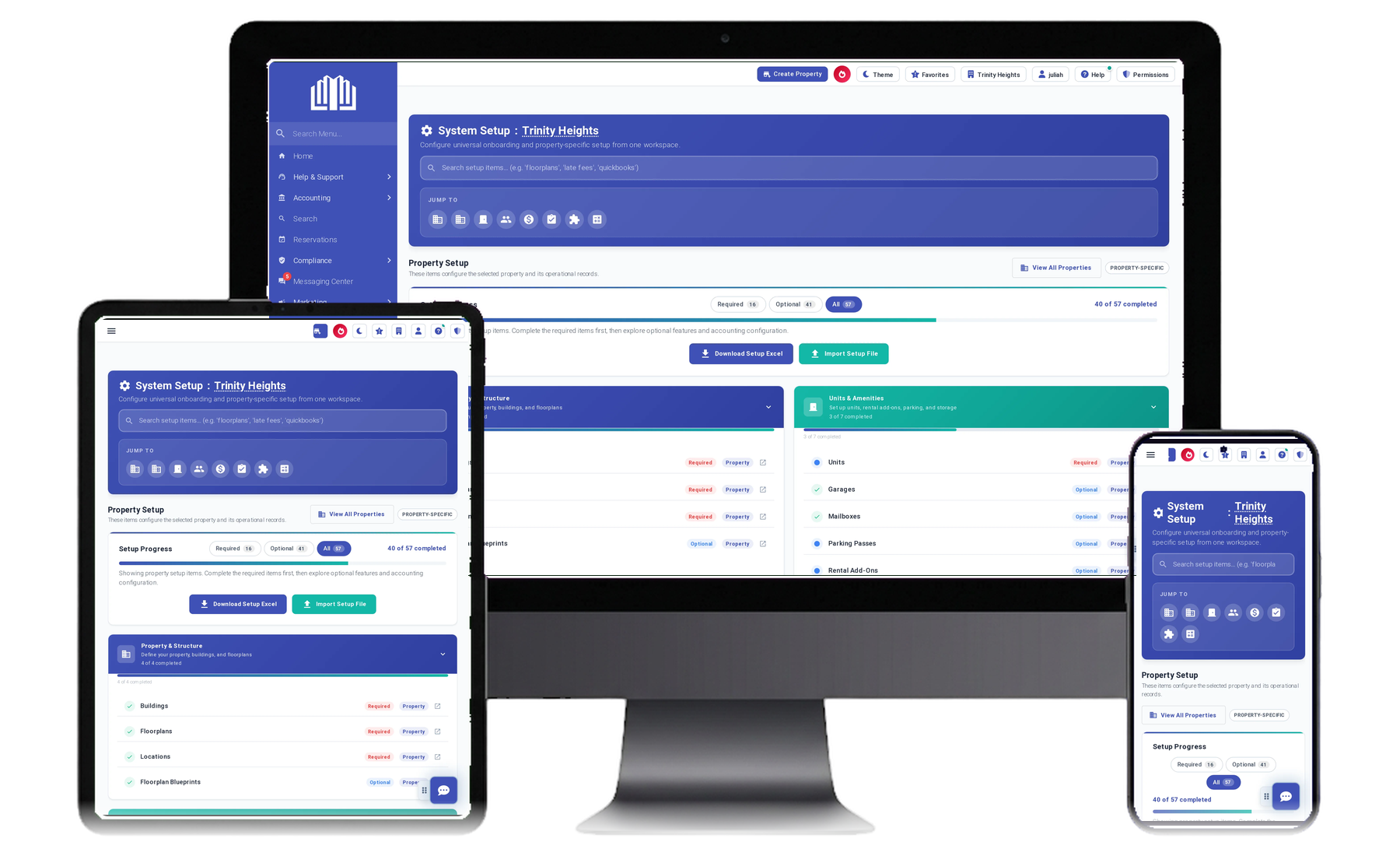
Minimum set-aside, unit designations, project elections, layered programs and the state or HFA profile the project answers to are project facts. They are recorded once, before the first household is processed.
What follows — which income limit applies, which form the state expects, which unit can take which household — is read from that configuration rather than remembered by the specialist.
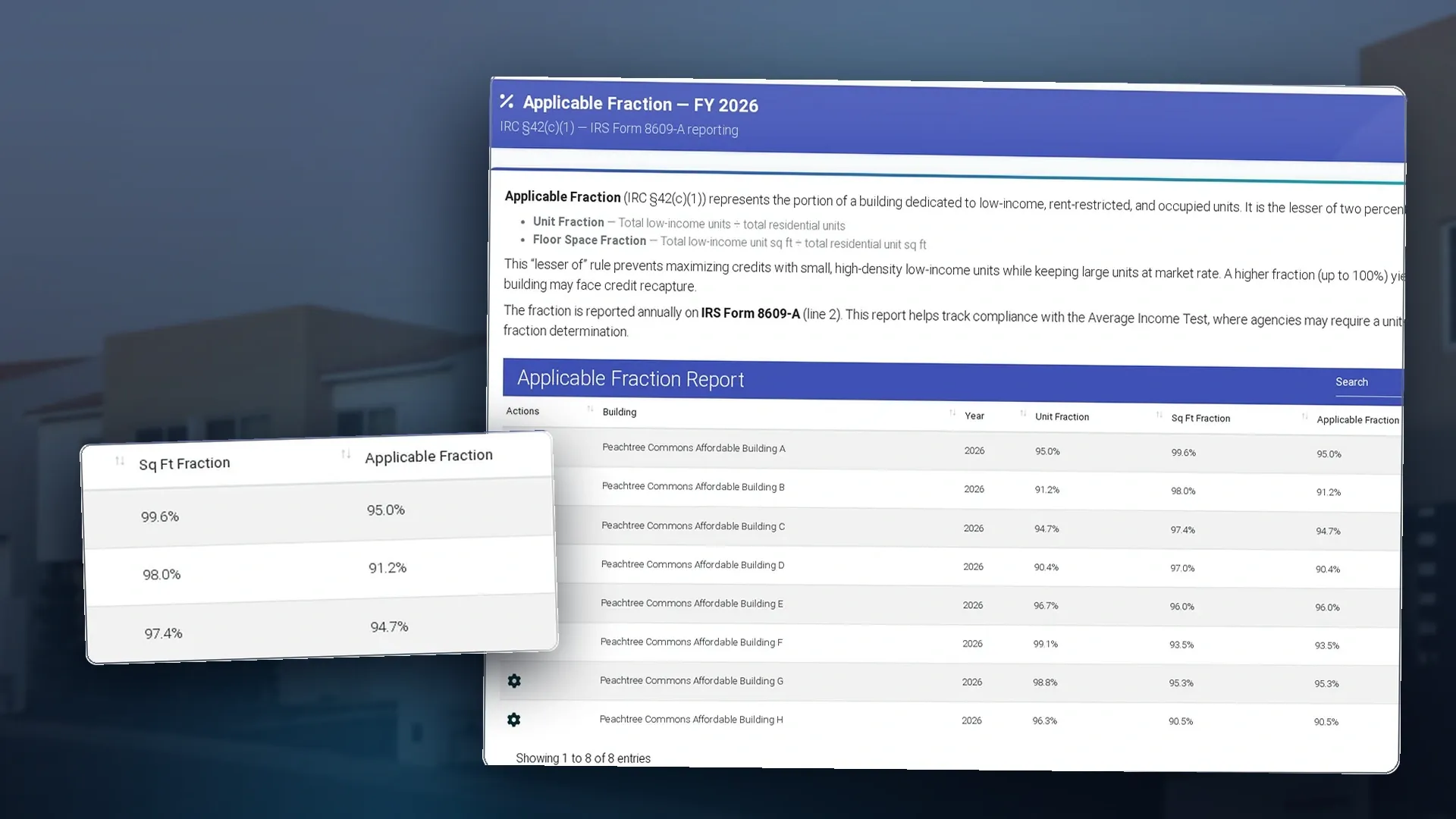
Those facts decide the credit, not just the file. Under IRC Section 42, the applicable fraction turns eligible basis into qualified basis. That fraction is the smaller of the unit fraction and the floor space fraction. So a unit that stops counting as low-income shrinks the credit the deal was underwritten on. The minimum set-aside is a separate test, and a project that elected the Average Income Test made that election its set-aside. Under the Average Income Test, designations run in ten-point steps from 20 to 80 percent of area median. Each unit is measured against its own designation, while the average across the qualifying group has to stay at or below 60 percent. Re-designating a unit is not a free operational move. The imputed limitation on a unit does not simply change. Where a change is permitted at all, it turns on written guidance from the agency with jurisdiction over the project.
Build the household record once and certify from it.
The application already holds the members, the income, the assets and the verification the certification needs. In ExactEstate the certification is started from that record, so a fact the household gave once is not asked for again.
Anything the software asks for twice is something it failed to carry, and a place two versions of the file can start to disagree.
That record is also what the Next Available Unit Rule reads. Once a household’s recertified income passes 140 percent of the applicable income limitation, renting a comparable or smaller unit in that same building to a non-qualifying household costs the over-income units in that building their low-income status — comparable or larger, not just the household that went over. The rule runs building by building rather than project-wide, which is the distinction the regulation gives its own titled paragraph. In a building that is entirely low-income there is no market unit to rent wrong, so the real exposure sits in mixed buildings; where it does bite, units drop out of the applicable fraction, qualified basis falls, and the state agency reports it on Form 8823 line 11i. An Average Income Test project measures that 140 percent against the greater of 60 percent of area median or the unit’s own designation. A layered property runs this test alongside its HUD Multifamily obligations, and neither excuses the other.
How does a TIC move through ExactEstate?
Initial certification or recertification
The certification type sets what is asked, what is compared against the prior record, and when the next recertification is scheduled.
State form
The TIC is produced in the state form the project’s HFA uses, with set-aside checks, and exported as HFA XML for the states we support.
Approval
The reviewer signs off inside the workflow, and the approval is part of the record.
Final artifact
The approved TIC is frozen. A correction creates a new version with history; nothing overwrites the document an auditor will ask for.
Layer HOME, bond and NHTF without pretending they are identical.
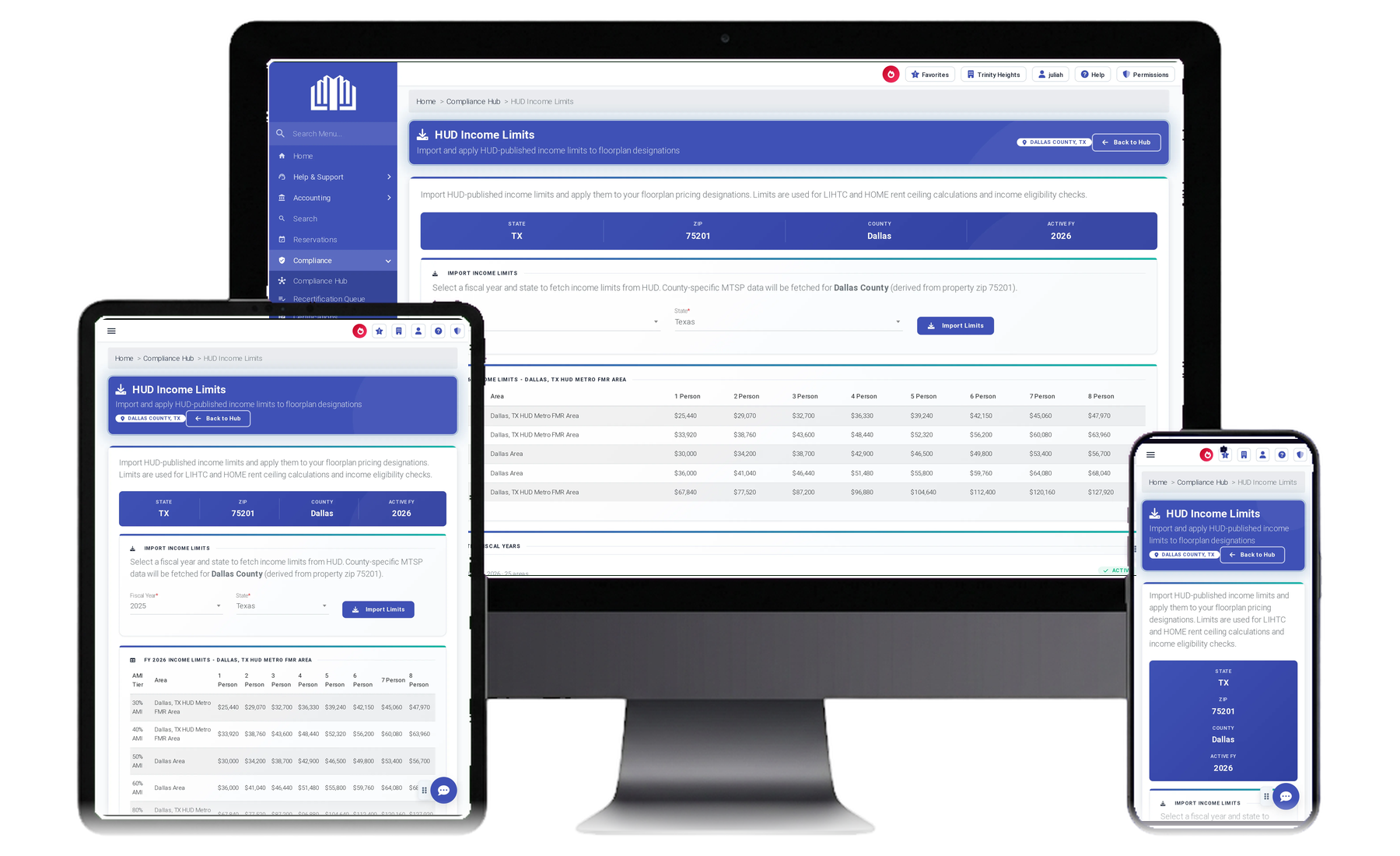
HOME, tax-exempt bond and National Housing Trust Fund are layered program markers on the LIHTC certification, not a second, third and fourth certification workflow. Where a unit carries more than one, the most restrictive limit applies.
HOME
Its rent and income restrictions stay visible on the unit and the household alongside the LIHTC limits.
Tax-exempt bond
The bond set-aside is carried as a marker on the same TIC, so a unit under both is checked against both.
National Housing Trust Fund
NHTF restrictions ride the same certification, kept in view rather than filed as a separate form.
What does HOTMA change for a LIHTC project?
HOTMA changed how income and assets are calculated. The date it takes effect is set program by program, by that program’s own authority. HUD Multifamily, public housing and vouchers, and USDA Rural Development do not move on one calendar. This page does not print a date for any of them.
For a LIHTC project, the requirement is whatever its state or HFA has set. ExactEstate applies HOTMA per property from that adoption date. That covers the indexed asset threshold, the updated deductions and the 10% medical expense phase-in. Program-specific review does not go away because the calculation changed.
A risk signal tells the reviewer where to look first, not what to conclude.
Where the predictive model is live for your portfolio, ExactEstate can flag a certification that looks likely to run into trouble. It can point at the household and certification context behind the flag, so a person can look.
It is not a finding, and it does not replace the review. It changes the order the reviewer works in.
Ask EEva what this property carries.
Ask what rules, elections and blockers a property carries, and EEva answers from the project’s configuration. It names what is blocking the next certification and shows the public source it relied on beside the answer. That source is drawn from the HUD and Rural Development sources ExactEstate monitors and stages for review.
On this page it works from a sample LIHTC project rather than yours.