Apartment prices and trends: all you need know about
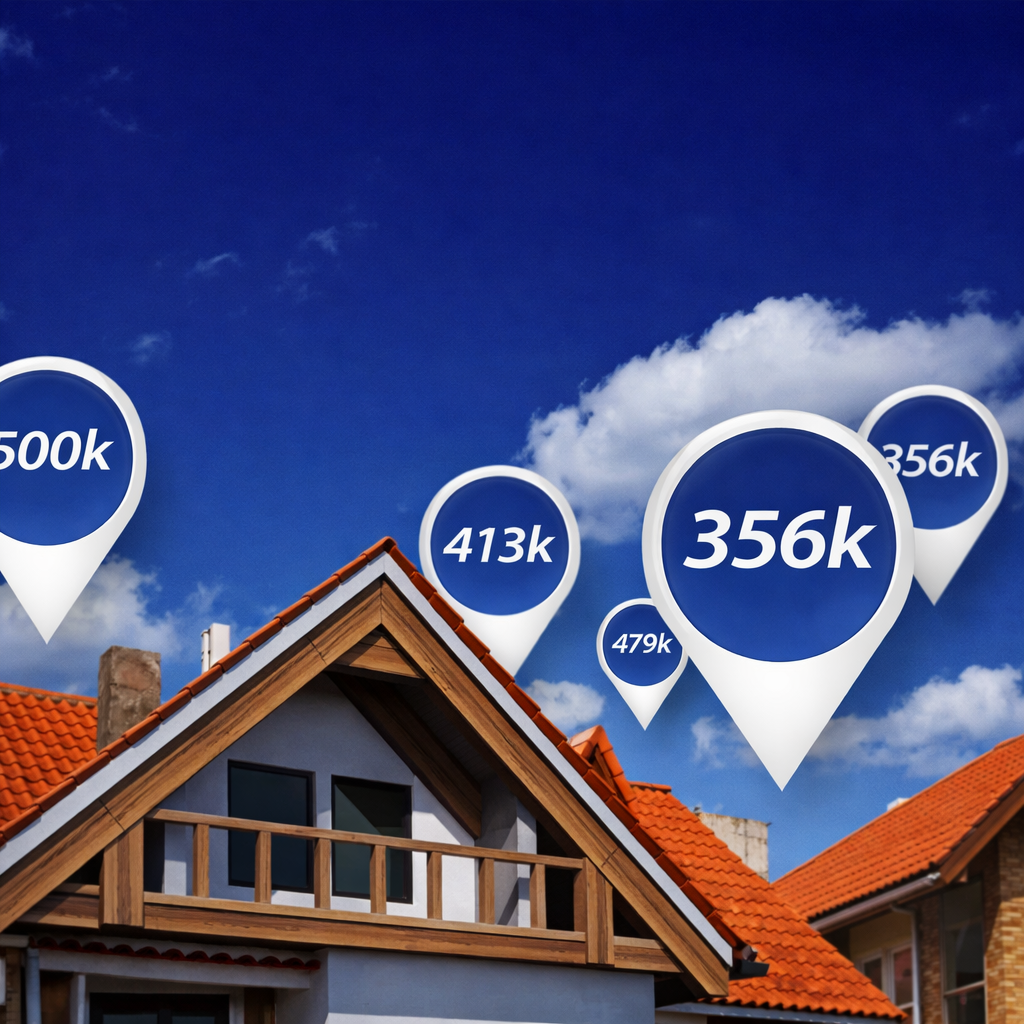
Current Housing Prices and Trends vs Apartment Prices and Trends
Here is all you need know about apartment prices and trends: rents for lower-priced units are rising slower than luxury segments, while affordable housing operators must track income thresholds like 80 percent of area median income to stay compliant (24 CFR 5.603). Property managers balancing capital growth against operating expenses face a market where single-family homes outpace apartments in price appreciation but apartments deliver steadier rental income. ExactEstate breaks down the key factors—pricing, demand shifts, and regulatory benchmarks—so you can choose the right property type.
Are you curious about the market for housing and apartments right now? For related operational guidance, review property management tools and dashboards.
Prices and trends can change quickly in the rental industry, so it's essential to stay updated on the latest information. This blog post will provide an overview of current prices and trends across the United States. We'll also share some insights into why these changes are taking place.
If you're a property owner or manager, read this blog post to understand better what's happening in your local market!
Current Housing Prices and Trends
First, let's look at the current housing prices and trends. There are a few trends to keep an eye on this year.
Prices Are Expected To Continue To Rise
Unfortunately, there is little relief for those struggling to keep up with rising housing costs. Experts believe that prices will continue to increase in most markets throughout the country. The good news is that the rate of increase is expected to slow down somewhat from the breakneck pace we saw in 2020.
Some factors are driving this continued rise in prices:
- There is still more demand than supply in many markets. Over the past few years, this has been a persistent problem as more people are moving to urban areas and searching for rental properties.
- Low interest rates make buying homes easier, contributing to bidding wars and increased prices.
The Bigger, the Better?
The first of the housing trends we see for 2022 is that bigger homes are becoming more popular. In 2020, we saw a decrease in demand for tiny houses and an increase in demand for larger homes, not smaller ones.
This trend is expected to continue in 2022 as more people work from home and need extra space. This could be good news for you if you have a larger home! You can sell for a higher price than you would have a few years ago.
Luxury Homes on the Rise
Another trend we see is that luxury homes are becoming more popular, especially among young buyers. Buyers are willing to pay more for features like high-end appliances, granite countertops, hardwood floors, etc. If you're looking to sell your luxury home in 2022, you can likely get top dollar.
Demand for Rural Properties Increases
We also see an increase in demand for rural properties. More people are moving away from cities and into more rural areas.
They're looking for quiet, more space, and lower prices. If you live in a rural area, this could be good news for you! You may be able to sell your home for more than you would have a few years ago.
Current Apartment Prices and Trends
But how about the apartment pricing and trends? While apartment trends share similarities with housing, there are a few key trends that you need to know about as well.
Rental Prices Are Expected To Rise Slightly
Although the rate of increase will vary depending on the location, most experts believe that rental prices will continue to rise steadily throughout 2022. This is due to various factors, including continued population growth in urban areas and a decrease in the overall availability of rental units.
Luxury Rents Will See the Biggest Increases
If you own or manage a luxury apartment complex, you can expect higher rental prices in 2022 than in 2021. This is due to continued demand from high-earning renters increasingly interested in upscale amenities and finishes.
Rents for Lower-Priced Units Will Rise at a Slower Rate (or Even Decrease in Some Cases)
Due to increased competition from newly constructed properties that cater to budget-minded renters, existing lower-priced units may see a decrease in rent prices or only a modest increase.
This is good news for renters looking for affordable housing options but bad news for landlords who own older, less expensive properties.
What Property Type Should You Choose?
Now that you know the critical pricing and trends for these two property types, it's time to decide which investment is best for you. There are a few key factors to consider before you make a decision.
Rental Income Potential
If you're looking to rent out your property for income purposes, then you'll want to consider the rental potential of each type of dwelling. When compared side-by-side, houses typically offer higher rental incomes than apartments.
This is because houses tend to be larger, so they can accommodate more tenants. In addition, homes often come with additional outdoor space like yards and patios, which can appeal to potential renters.
While apartments may not offer the same high rental incomes as houses, they have one key advantage — they're more accessible and less expensive to maintain. This is because most apartments are part of a larger complex with common areas like pools, gyms, and laundry facilities.
The complex's management team typically maintains these common areas with automation, so you won't have to shoulder those costs as the property owner.
Capital Growth Potential
Another vital factor to consider is the capital growth potential of each type of property. When it comes to long-term value appreciation, houses have historically outperformed apartments. This is because land is a limited resource, so as housing demand increases, prices tend to go up.
In contrast, while apartments may not appreciate as quickly as houses, they offer one key advantage — they can be easier and less expensive to sell. This is because there's usually a larger pool of buyers interested in purchasing an apartment than there is for a house.
In addition, because most apartments are located near urban areas, they tend to hold their value better than properties in more rural areas.
Operating Expenses
Another factor you'll want to consider when choosing between a house and an apartment is the operating expenses of each property type.
Houses tend to have higher operating expenses than apartments because there's square footage to heat and cool, more space that needs to be cleaned and maintained, and more outdoor area that needs to be landscaped. Furthermore, houses often come with additional features like pools and hot tubs that require regular maintenance and upkeep.
Location
Location is always important to consider when investing in any property. But it's imperative when considering housing vs. apartments because they tend to be located in different neighborhoods. Housing is more likely to be found in residential neighborhoods, while apartments are more likely in urban areas. Keep this in mind when choosing — you'll want to select a location that will appeal to your target tenant base.
How ExactEstate Can Help
Keeping track of all the housing and apartment price changes can be daunting — we get it.
Whether you are looking to invest in or own rental properties, use this information as a guide when deciding pricing and trends. Don’t forget that property management software can help automate much of the decision-making process for you.
ExactEstate is the perfect solution for busy property owners who want to streamline their tenant management. No matter what type of property you have, ExactEstate can help you keep track of all your essential information in one place.
With our easy-to-use interface, you can quickly add and update tenant information, view lease details, and track payments. Plus, our built-in messaging system makes it easy to stay in touch with your tenants. Whether you're a prominent property owner with multiple properties or a landlord with a single unit, ExactEstate is the ideal solution for keeping your tenant management organized and efficient.
What else is covered in all you need know about apartment prices?
Beyond basic price trends, understanding operating expenses, location dynamics, and capital growth potential is essential for maximizing your rental income and making informed property management decisions.
What income thresholds determine affordable housing eligibility?
Federal regulation defines affordable housing eligibility through area median income benchmarks and asset limits. Under 24 CFR 5.603, the standard sets eligibility at 80 percent of area median income, while 24 CFR 5.618 mandates full verification when net family assets exceed $100,000 but allows self-certification when assets stay below $50,000 (24 CFR 5.618).
"A family whose annual income does not exceed 80 percent of the median income for the area, as determined by HUD with adjustments for smaller and larger families, except that HUD may establish income ceilings higher or lower than 80 percent of the median income for the area on the basis of HUD's findings that such variations are necessary because of unusually high or low family incomes." (24 CFR 5.603)
What does ExactEstate cost for apartment management?
ExactEstate charges $3 per unit per month for standard apartment portfolios, and $5 per unit per month for TRACS, MINC, and HUD-50059 compliance units with Affordable Housing (+$2 per unit per month on top of Core). The implementation fee is the greater of $1,000 or 2× the monthly subscription, so a 250-unit property pays $750 per month plus a $1,500 implementation fee, while a 500-unit portfolio pays $1,500 per month plus $3,000 at onboarding.
Sources
- 24 CFR 5.603 — the regulation text — Electronic Code of Federal Regulations
- 24 CFR 5.618 — the regulation text — Electronic Code of Federal Regulations
What changed
- — 4 cited figure(s) match the current regulation text
- — 4 cited figure(s) match the current regulation text
About the author

Matt Hoskins is the CEO of ExactEstate. He grew up in his family’s affordable housing management company and has spent his career on the operator side of LIHTC, HUD and Section 8 properties. ExactEstate is the result: compliance-first property management software for affordable housing, with TRACS submission built in.