ESG in Multifamily: A New Era of Responsibility
Multifamily Housing
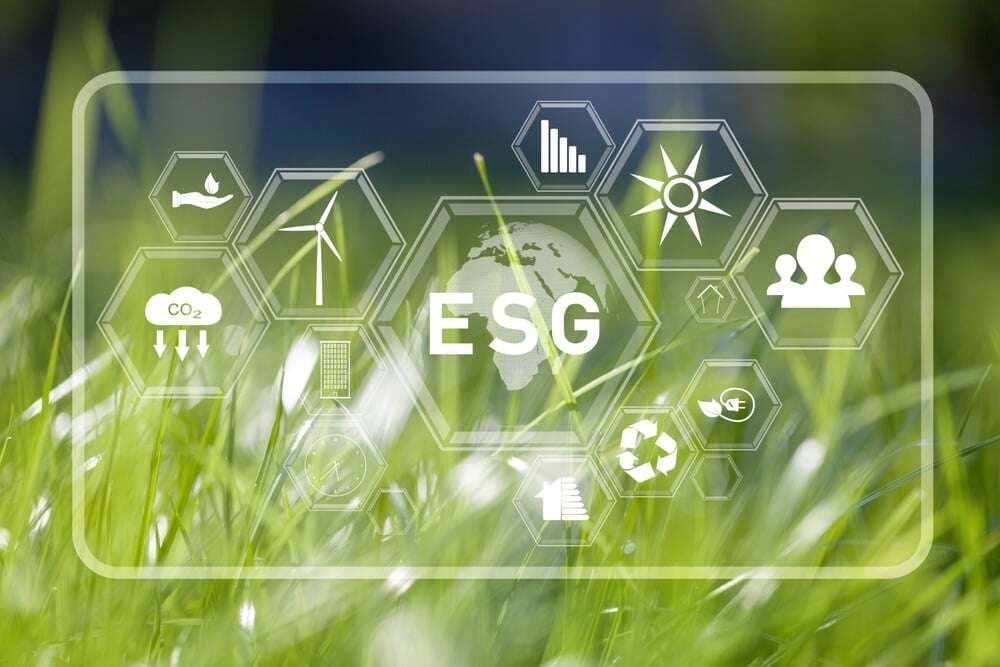
Environmental, social, and governance (ESG) principles in multifamily real estate establish a framework for reducing operating costs, ensuring regulatory compliance, and improving resident well-being. By integrating sustainable building practices, fostering inclusive communities, and maintaining transparent management protocols, property managers create long-term value while meeting the strict oversight required in affordable housing.
ESG is a top property management topic for 2025. Managers who focus on ESG make their buildings more green. They also create happier, healthier spaces for tenants. Plus, ESG projects offer clear financial gains. For operational help, review multifamily property management software.
Developers, owners, and operators should upgrade their buildings now. These ESG fixes will pay off for years. They lower property costs. They also help residents connect and ensure fair building operations.
Understanding ESG
People often talk about ESG as one big idea. But it helps to break it down into smaller parts. This makes the whole topic much easier to grasp.
Here’s what you should know about the core elements of ESG:
- Environmental. This element is all about a building’s impact on the world around it. Water conservation, energy efficiency, emissions reduction, and waste management are all crucial parts of the “E” in “ESG.”
- Social. This element deals with how properties affect individual residents and communities. Everything from tenant well-being to community involvement falls into this category.
- Governance. Finally, this element focuses on using transparent and ethical policies/procedures in property management.
How ESG Helps Multifamily Property Managers
Focusing on ESG is the right choice. It also gives property managers clear perks. Take ESG seriously, and you can:
Keep Tenants Satisfied
A Deloitte survey shows that 55% of Gen Z workers check a company's green rules before taking a job. The same is true for 54% of Millennial job hunters. This love for green living applies to housing, too. Making your properties eco-friendly will attract these younger renters.
The social and governance parts of ESG also boost tenant joy. Fair management builds a strong community. This makes people and families happier. Happy tenants are less likely to move out.
Enjoy Better Revenue/Market Value
Green buildings keep tenants happier, so you can charge higher rent. A 2021 Cushman & Wakefield study proves this. It found that LEED (Leadership in Energy and Environmental Design) buildings sold for 21.4% more per square foot over three years. These efficient buildings also cut utility bills. Lower overhead leaves you more money to invest.
Avoid Unexpected Problems
A strong ESG plan cuts risks and protects your good name. This helps prevent high vacancy rates. Good governance also stops health and safety problems. This keeps you out of court.
Comply With Regulations
ESG rules may change over time. But a proactive approach makes future updates easy to handle. Using ESG principles also helps you follow current laws. Plus, it helps you market to a wider pool of renters.
Following ESG Principles in Your Properties
Start using ESG and green habits in your buildings today. The tips below will help you meet ESG goals. They will also help you manage your properties better.
Environmental
To mitigate the environmental impact of your buildings, you can:
- Start using solar energy. Instead of getting all your energy from the grid, consider installing solar panels to offset your power needs.
- Add smart lighting to apartments. LED-based smart lights are much more efficient than incandescent light bulbs. These lighting solutions can even turn themselves off when they aren’t needed.
- Install smart thermostats. Smart thermostats are another form of smart technology that can improve your building’s energy efficiency. These thermostats are able to learn tenants’ temperature preferences and keep utility costs for unused apartments to a minimum
- Introduce new water fixtures. Low-flow faucets, showerheads, and toilets will all help reduce water usage in your multifamily building. The best products save water by providing usage options such as multiple flushing options, so your tenants won’t have to compromise on their preferred experience
- Rethink your approach to waste. To reduce waste in your multifamily building, try installing waste compactors, scheduling regular waste audits, and promoting recycling and composting programs
- Prioritize sustainability in new buildings. Unfortunately, there’s only so much you can do to make older buildings eco-friendly. But that’s not the case for new properties, which should be designed to follow sustainable practices from day one.
- Focus on green building certifications. By attaining LEED certification or other green building certifications for your multifamily buildings, you can ensure they’re as efficient and sustainable as possible
-
Social
Property managers can make life better for their tenants by:
- Holding community events. Social get-togethers and volunteer activities aren’t just a way for residents of your multifamily building to pass the time. These events can help your tenants feel like they’re part of a community and develop better relationships with each other.
- Keeping people connected with software. If your property management software offers resident portal functionality, your tenants will always know what’s happening around your building. The best portals also make it easy to handle payments and maintenance requests by reducing reliance on paperwork and enabling project tracking through your property management software (PMS).
- Introducing new outdoor spaces. Green spaces such as community gardens can help your residents enjoy nature. At the same time, these areas will add visual appeal to your building.
- Adopting inclusive practices. Keeping diversity in mind while creating policies for your multifamily building will help you take an essential step toward providing a truly welcoming community.
Governance
To enhance your apartment building in terms of governance, focus on:
- Simplify resident communication. In addition to their social benefits, online resident portals make it easy for tenants to contact you with concerns and questions.
- Keeping rent under control. By offering affordable rates that consider pricing for other local apartments, you’ll keep tenants happy and your building competitive.
- Complying with relevant standards. Adhering to legal and regulatory standards for tenant screening and other aspects of property management will go a long way toward helping you avoid legal battles down the line.
- Monitoring your ESG initiative. By using technology to measure and report the performance of your ESG improvements, you’ll know your initiative is delivering the results you’re looking for.
Support Your ESG Program With a Property Management System
Focus on ESG to ready your building for the future. These projects also offer clear perks right now. That is why ESG should be a top priority for all property managers.
Your property management software is the hub for ESG work. It helps you communicate and track cost savings. A top PMS like ExactEstate builds these plans into your daily tasks. You get reliable tenant screening, work order help, and live property data. Schedule a demo of ExactEstate today to get a system you can trust.
How does ESG impact multifamily operating costs?
ESG projects like energy upgrades and water savings cut utility bills. These savings add up over time. They boost the property's financial health while shrinking its environmental footprint.
What role does governance play in property management?
Strong governance makes sure ESG rules are used and reported fairly at all properties. It sets clear rules for ethics, legal compliance, and risk control. This protects your asset and builds trust with residents and investors.
Governance and Regulatory Compliance
The governance pillar of ESG requires strict adherence to federal affordable housing regulations to maintain compliance and protect vulnerable populations.
"A family whose annual income does not exceed 80 percent of the median income for the area, as determined by HUD with adjustments for smaller and larger families, except that HUD may establish income ceilings higher or lower than 80 percent of the median income for the area on the basis of HUD's findings that such variations are necessary because of unusually high or low family incomes." (24 CFR 5.603)
Sources
- 24 CFR 5.603 — the regulation text — Electronic Code of Federal Regulations
What changed
- — 1 cited figure(s) match the current regulation text
- — 1 cited figure(s) match the current regulation text