Perfect Options Pet Proof Rental Upgrades
Property Management
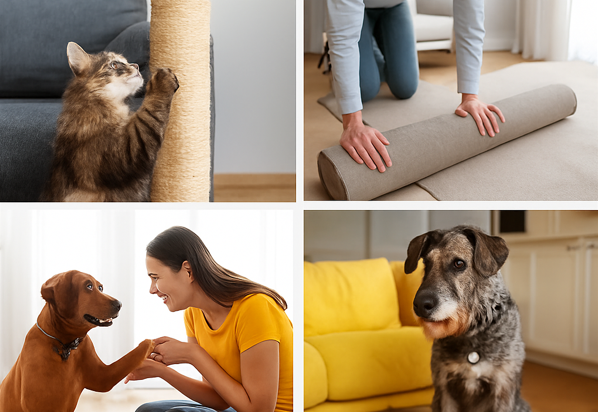
The perfect options pet proof rental properties need include installing heavy-duty flooring, reinforcing doors and windows, and establishing clear pet policies with applicable fees. These upgrades protect your affordable housing units from damage while ensuring compliance with property management standards. By combining durable physical improvements with robust lease agreements, property managers can safely accommodate pets and minimize maintenance costs.
You might be looking for solutions to pet-proof your apartment complexes considering the rise in pet ownership following the pandemic. Statistical reports from The American Society for the Prevention of Cruelty to Animals® show that one in five households got a pet since the global COVID-19 crisis began. For related operational guidance, review property management tools and dashboards.
As of 2021, 90 percent of the households reported that they still have their pet dog while 85 percent still have their pet cat. If you have a vacancy and allow pets in your rental properties, some families from these groups might express interest. Pet-proofing should be a priority on your list. Here are some of the best ways to pet-proof your rental property.
Establish a Pet Policy
Consider adding a pet policy to your rental lease agreement. This way, your potential tenants know what to expect from the beginning. Have them sign the policy once they fully understand the rules they must follow as a pet owner in your apartment complex.
Your pet policy must be comprehensive and may include specific details, such as the number of animals the tenant may bring into the property and their size. Draft a clause covering pet damage in apartments to inform tenants about their responsibilities and liabilities.
Property management software like ExactEstate allows you to craft your lease and add clauses for your pet policy. This customizable solution simplifies the process of building your lease agreement.
Highlight Regular Pet Grooming in Your Pet Policy
It is essential to maintain pet hygiene in an apartment. From stray pet hairs that might trigger allergic reactions to pet poop that will bother other tenants, pet owners must be aware of their furry friends’ hygiene and take responsibility for them.
In your pet policy, add a clause that clearly states tenants must do their part in maintaining the good condition of your rental unit as it relates to their pets. That is, they should groom their pets regularly, keep them clean, and pick up after them.
Outline the Applicable Pet Fees
You might also want to include details about pet fees in your pet policy. For example, you can specify the extra amount your tenants must pay and how often they should. Moreover, you can include a pet ownership charge as part of the security deposit to cover any cleaning expenses or pet damage in apartments.
Although additional pet fees are possible options for landlords who worry about maintaining apartments with pets, consider how waiving pet fees is a great idea to attract more tenants. With 69 million U.S. households owning a dog and 45.3 million owning a cat, it may be wise to consider this tenant concession before adopting pet fees as a pet-proofing option.
Specify Limits on the Number of Pets
Note that the statistics we presented about households owning pets count at least one animal. Expect there to be families with multiple animals, which would mean more risk of pet damage in apartments, especially if the tenant is an irresponsible pet owner.
You might want to limit the number of pets a tenant can keep or set weight limits to restrict certain kinds of animals in your units. This way, you can still attract pet owners.
Be sure to screen potential tenants to confirm they are responsible pet owners. Getting qualified tenants who are pet owners helps you focus on other pet-proofing initiatives and spare your rental property from possible pet damage.
Protect Floors With Heavy-duty Rugs
If you are worried about a tenant's pet ruining your floors, you can pet-proof them by installing area rugs. This affordable solution also welcomes potential tenants with a cozy atmosphere. Rugs, which come in various colors and designs, also add a touch of personality.
In addition, area rugs can trap pet fur that might otherwise cover your floor, and they are easy to replace if necessary. If you want to maximize a rug's lifespan, use outdoor rugs. Heavy-duty outdoor rugs are manufactured to withstand the elements, so they should be more durable and last longer indoors.
Invest in Durable Flooring Options
While getting carpets and rugs for your floors is an affordable pet-proofing strategy, changing your floors to a more pet-proof material is ideal. Durable flooring options include linoleum, tile, and vinyl. Granted, installing these materials may require a complete apartment makeover.
Still, the result will be a pet-proof unit and will help protect your time and investments. Aside from being pet-proof, these floors are also easy to clean, helping you save on maintenance expenses.
Suppose you have hardwood floors that make you reluctant to get a complete floor makeover. You can still pet-proof your floor with flooring sealant, particularly polyurethane. This material protects your floors from pet scratches and pet accidents.
Repaint Walls
Your walls need just as much protection from pet scratches as your floors. Look at your options for painting your walls with pet-proof paint. Durable, easy-to-clean paints, including satin and glossy paints, can withstand pet scratches and pet-related stains.
Finishing your apartment walls with these materials creates a smoother surface, making it harder for pet claws to create scratches. Moreover, these finishes make cleaning pet stains from your walls easier. Pet experts also recommend semi-gloss and satin finishes for this particular reason and how they are pet-friendly.
Reinforce Doors and Windows
Pets can also scratch doors and windows, leaving unsightly marks on your rental property. Lucite sheets and plexiglass panels are affordable solutions for this potential issue. These materials give your glass doors and windows an extra layer of protection — like how sealants strengthen floors and satin finishes protect your walls.
Get Heavy-duty Curtains
When considering your apartment's blinds, avoid plastic shades and fabric curtains. Cats tend to play with these materials, resulting in scratches and holes. Instead, get heavy-duty curtains for your windows. These should be thick enough to resist pet claws and damage. They may also come with short drawstrings to help prevent pets and children from messing with them.
Install Baby Gates
Baby gates are an important tool for pet-proofing your apartment. They can keep pets and children away from certain areas of the house, helping you protect your furniture and other areas of your property. They are also useful for keeping pets from accessing certain parts of the house, such as balconies and staircases, minimizing the chances of accidents.
Secure Your Apartment From Pets With ExactEstate
Pet-proofing your rental apartment is essential to prevent pet damage and accidents on the property. Try using the options we presented above to maintain the condition of your units and attract potential tenants in today’s competitive rental market.
Regarding the strategies involving contracts, you will need a management solution to store and manage documents and contracts. At ExactEstate, we have designed our property management software to help property owners and managers stay organized.
We understand the effort required to maintain rental properties, especially when tenants are pet owners. Thus, we developed a solution you can easily customize according to your housing needs. Schedule a demo today.
What Are the Top perfect options for pet proof rental Upgrades?
The most effective upgrades include installing luxury vinyl plank flooring, reinforcing doors with scratch-resistant film, and using heavy-duty rugs to protect high-traffic areas from claw marks and accidents.
How Does ExactEstate Simplify Pet Policy Enforcement?
ExactEstate centralizes your lease agreements, allowing you to clearly outline pet fees, breed restrictions, and grooming requirements in one accessible portal, ensuring both property managers and tenants remain aligned.
ExactEstate simplifies pet policy enforcement by digitizing lease addendums, automating monthly pet rent collection, and tracking compliance deadlines alongside HUD income and asset certifications.
What are the perfect options pet proof rental managers should prioritize?
Property managers should prioritize durable flooring, heavy-duty window treatments, and clear, documented pet policies. Implementing these measures reduces wear and tear in affordable housing units, while software like ExactEstate streamlines the enforcement of pet fees and lease agreements.
Pet-Proofing and Compliance Checklist
- Install luxury vinyl plank or tile flooring to resist scratches and moisture.
- Apply semi-gloss or satin scratch-resistant paint on lower wall sections.
- Reinforce window screens and install heavy-duty door kick plates.
- Require heavy-duty rugs in high-traffic zones to protect subflooring.
Managing Assets and Pet Deposits
When establishing pet deposits in affordable housing, managers must ensure these fees align with federal income regulations. HUD defines a low-income family as one whose annual income does not exceed 80 percent of the median income for the area (24 CFR 5.603). Additionally, managers must account for dependent deductions, which provide a $480 deduction for each dependent (24 CFR 5.611), before calculating a tenant's ability to pay upfront pet fees.
Broader Compliance Considerations
While managing pet deposits is crucial, affordable housing providers must also track broader financial compliance, such as HUD payment standards.
Asset Verification and Compliance
When managing pet deposits and assessing a tenant's financial standing, affordable housing providers must also adhere to federal asset verification guidelines. Rather than requiring exhaustive third-party checks for every applicant, regulations provide specific thresholds for self-certification.
"(1) A PHA or owner may determine the net assets of a family based on a certification by the family that the net family assets (as defined in § 5.603) do not exceed $50,000, which amount will be adjusted annually in accordance with the Consumer Price Index for Urban Wage Earners and Clerical Workers, without taking additional steps to verify the accuracy of the declaration." (24 CFR 5.618)
Sources
- 24 CFR 5.603 — the regulation text — Electronic Code of Federal Regulations
- 24 CFR 5.611 — the regulation text — Electronic Code of Federal Regulations
- 24 CFR 5.618 — the regulation text — Electronic Code of Federal Regulations
What changed
- — 2 cited figure(s) match the current regulation text
- — 3 cited figure(s) match the current regulation text