Guide To Determining Tenant Damage Costs
Property Management
Determining tenant damage costs requires systematically inspecting the unit, differentiating normal wear and tear from actual damage, and applying fair depreciation before deducting charges from the security deposit. This guide to determining tenant damage costs outlines the legal procedures for accurate documentation and transparent communication to mitigate disputes in affordable housing.
Renting out a property can be lucrative, but it brings challenges. Tenant damage to rental properties is a top frustration for landlords. Broken windows and misused plumbing can make repairs costly. For related operational guidance, review property management tools and dashboards.
Landlords must know how to charge for damage without overcharging. If you wonder about 'charging for damages at my rental,' keep reading. This article covers strategies for pricing apartment damages. It helps you make fair and transparent decisions.
Assessing the Damage
Assessing the extent of damage is crucial for pricing repairs. Here is how to conduct this assessment:
Systematic Inspection
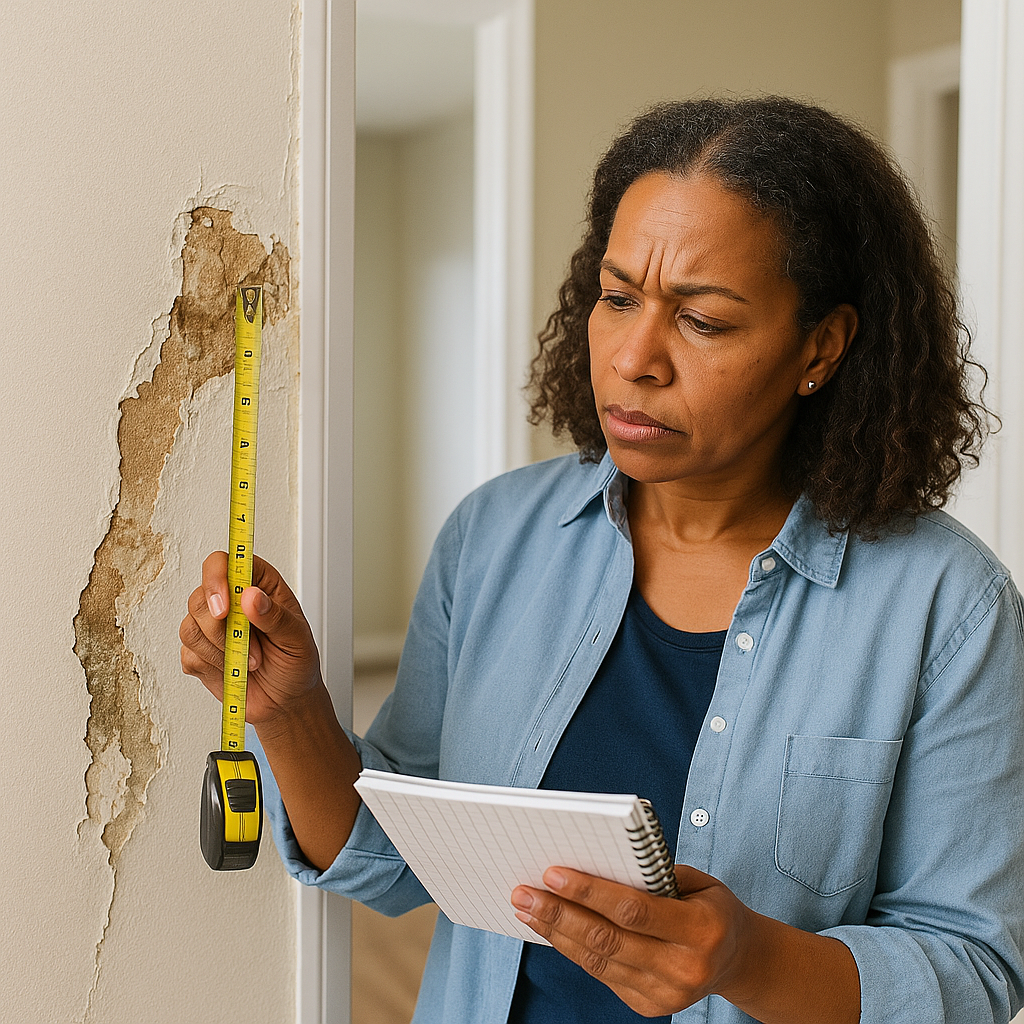
Start by inspecting the entire rental property room by room. Document both old conditions and new damages. Leave no detail unnoticed. This thorough approach ensures you find all issues from the tenant's stay.
Accurate Documentation
Accurate documentation is vital for justifying charges. Use a camera or smartphone to take clear photos of every damaged area. Make sure images are well-lit and show the exact issue. Add detailed written descriptions to provide context and specifics.
Categorization of Damage
Not all damages are the same. Categorizing them helps you determine the right charges. Common categories include:
- Structural damage: This pertains to harm to the building's structure, such as broken windows, damaged doors, or holes in walls.
- Cosmetic damage: Surface-level impairments like chipped paint, scuffed floors, or stained carpets that impact the property's appearance.
- Appliance and fixture damage: If appliances, fixtures, or fittings are broken due to tenant misuse, categorize them distinctly.
- Health and safety hazards: Swiftly address damages that pose health and safety risks, such as faulty wiring, leaks, or mold growth.
Determining Responsibility
While assessing damages, you must confirm the tenant is responsible. Compare the pre-move-in condition to the current state. Was the damage absent at the start of the lease? Did the tenant's actions or neglect cause it? If so, the tenant is responsible.
Follow these steps to ensure an accurate damage assessment. This lays the groundwork for a fair resolution for both you and your tenant.
Differentiating Wear and Tear From Damages
Wear and tear are expected signs of aging from regular use. These natural consequences of living in a property are not the tenant's fault. Recognizing wear and tear sets realistic maintenance expectations and prevents unjust charges.
Examples of Wear and Tear
- Faded paint: Over the years, exposure to sunlight and environmental factors can cause paint to fade naturally, especially in rooms with abundant sunlight.
- Minor scuffs and scratches: Regular furniture movement and daily activities can lead to minor scuffs and scratches on walls, floors, and surfaces.
- Worn-out carpeting: Foot traffic gradually wears down carpet fibers, resulting in thinning and fading.
Time-Related Wear
Wear and tear increase with the length of a tenant's stay. The longer someone lives in a property, the more natural aging shows. Always consider the tenant's length of occupancy when assessing issues.
Expected Depreciation
Some property parts naturally depreciate over time from regular use. This happens even with proper care. Appliances, flooring, and fixtures have limited lifespans and will inevitably show wear.
Fair Pricing for Repairs
Setting fair repair prices protects your investment and builds positive tenant relationships. Follow industry standards and maintain transparency. Consider the financial impact on your tenants. This helps you navigate this aspect of property management effectively.
- Obtaining multiple quotes: Begin by acquiring quotes from reputable contractors to gauge the average cost of repairs. This helps you establish a reasonable price range that aligns with industry norms.
- Considering market rates: Research prevailing market rates in your area to ensure your repair costs are competitive and fair. Understanding local pricing trends provides a benchmark for your charges.
- Flexible payment options: Consider offering flexible payment plans for unexpected repairs. This approach eases tenants' financial strain and demonstrates your willingness to accommodate their needs.
- Prioritizing critical repairs: Distinguish between safety and functionality repairs and cosmetic enhancements. Prioritize repairs that directly impact tenants' quality of living.
Security Deposits and Deducting Charges
Managing security deposits and deducting charges are key to responsible property management. Security deposits safeguard against damages and unpaid rent. They give landlords a financial cushion for repairs and upkeep. Compliance with local regulations is vital. Learn the security deposit laws for maximum amounts, allowable deductions, and return timelines. Thoroughly document the property's condition before move-in.
Deducting Charges: Legal Procedures
Follow legal procedures when deducting from security deposits. This ensures fairness and legality. Give tenants an itemized list of repairs, associated costs, and any remaining balance. Transparency prevents disputes. Notify tenants promptly about deductions and explain the calculations.
Return the remaining balance within the legal timeframe after deductions. This shows your commitment to responsible property management. You must balance legal rules with good tenant relations. Follow proper procedures and maintain transparency to manage deposits well.
Transparent Communication
Clear communication with tenants prevents conflicts over damage charges. Ensure your lease agreement outlines your damage and repair policies. Involve the tenant in discussing and documenting the property's condition during move-in and move-out inspections. Sharing this information builds trust and stops misunderstandings.
Mitigating Disputes
Disputes over damage charges can still arise despite clear communication and good documentation. Take the following steps to reduce potential conflicts:
- Provide before-and-after photos: Visual evidence is powerful. Presenting before-and-after photos can help tenants understand the changes during their occupancy.
- Detailed invoices: When repairs are necessary, provide detailed invoices from contractors to demonstrate the legitimacy of the charges.
- Third-party mediation: If disputes persist, consider involving a neutral third party, such as a mediator or arbitrator, to help facilitate a resolution.
Conclusion
Charging for property damage requires a balance between protecting your investment and keeping good tenant relations. Thorough assessments, clear communication, and fair pricing are essential. Understand the difference between wear and tear and actual damages. Use security deposits responsibly and prioritize transparency. This helps you confidently handle rental damages and repairs.
Consider ExactEstate for complete property management solutions and help tracking damages. Our advanced software streamlines the process. It ensures efficient communication, accurate documentation, and fair dispute resolution.
Request a demo today to see how ExactEstate simplifies your property management tasks.
A complete guide to tenant damage costs gives property managers a structured framework. It helps them inspect units, separate normal wear from actual damage, and calculate fair repair costs per local housing rules.
How Does a guide to determining tenant damage costs Help?
Property managers should review damage costs during move-out inspections. They should also review costs during the tenancy if maintenance requests show potential misuse or neglect.
When Should Property Managers Review Damage Costs?
Property managers should review damage costs during move-out inspections and periodically throughout the tenancy if maintenance requests indicate potential misuse or neglect of the property.
HUD Asset Rules and Damage Collections
When pursuing unpaid damage costs beyond the security deposit, property managers must remember that affordable housing residents are subject to strict financial thresholds. Families face mandatory verification if their net assets exceed $100,000, as outlined in 24 CFR 5.618. Additionally, when calculating a tenant's adjusted income to structure a payment plan for damages, managers must account for standard deductions like the $480 allowance for each dependent under 24 CFR 5.611, or the $525 deduction for any elderly family or disabled family under the same section. These thresholds directly impact a resident's financial capacity to cover severe property damage.
“(1) A PHA or owner may determine the net assets of a family based on a certification by the family that the net family assets (as defined in § 5.603) do not exceed $50,000, which amount will be adjusted annually in accordance with the Consumer Price Index for Urban Wage Earners and Clerical Workers, without taking additional steps to verify the accuracy of the declaration.” — 24 CFR 5.618
Sources
- 24 CFR 5.611 — the regulation text — Electronic Code of Federal Regulations
- 24 CFR 5.618 — the regulation text — Electronic Code of Federal Regulations
What changed
- — 4 cited figure(s) match the current regulation text
- — 4 cited figure(s) match the current regulation text