Innovative Paths to Affordable Housing

Affordable Housing
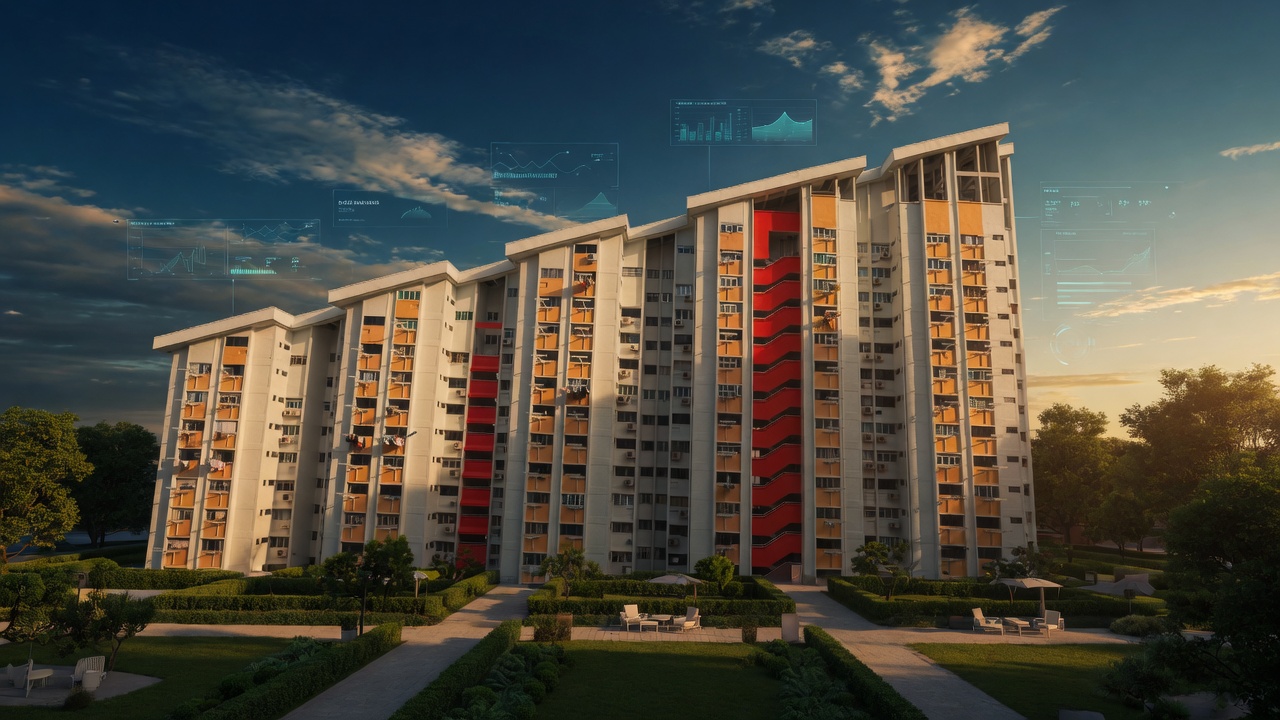
Innovative paths to affordable housing include leveraging public-private partnerships to secure funding, adopting modular construction to lower building costs, and implementing green building practices to reduce long-term utility expenses for residents. These strategies directly address the financial and logistical barriers that traditionally limit the development of cost-effective residences. By combining technological advancements with collaborative financing models, developers can accelerate project timelines and expand the availability of subsidized units for low-income families.
As we face increasing urbanization, the demand for affordable housing solutions has never been more acute. Yet, amidst these challenges, innovative partnerships and technologies are paving the way for new opportunities in affordable housing development. Here, we explore how these residences are becoming more accessible despite financial and logistical constraints. For related operational guidance, review affordable housing compliance software.
The Growing Demand for Affordable Housing Solutions
Affordable housing is a necessity and a critical component of fostering economic stability and improving health outcomes. The rising living costs and the scarcity of subsidized stock have pushed this issue to the forefront of policy discussions.
Governments and private sector entities are increasingly being called upon to devise strategies to address this growing need and ensure that individuals and families can access safe, decent, and reasonably priced homes.
Government and Private Sector Synergies
Collaboration between the public and private sectors has become vital for developing these communities. By offering subsidies, tax incentives, and support, government entities have made strides in making housing projects financially viable for private developers.
These partnerships involve more than financial incentives; they also involve easing regulatory hurdles and providing land for development. Such synergies are essential for creating sustainable housing solutions that cater to the needs of low-income families.
Technological Innovations Transforming Affordable Housing
From modular and prefab homes to 3D printed houses, technological innovations are making building quality, affordable homes faster and cheaper than traditional construction methods.
These technologies speed up the construction process and offer environmentally sustainable solutions, thus contributing to the green building movement within this sector.
The Role of Public-Private Partnerships (PPPs) in Housing Development
Public-Private Partnerships (PPPs) have become instrumental in bridging the gap between the demand and supply of such properties. These partnerships leverage the strengths of both sectors: the public sector’s ability to provide land and incentives and the private sector’s efficiency and innovation.
PPPs have facilitated the development of mixed-income housing projects, which integrate affordable and market-rate units, fostering diverse, inclusive communities.
Navigating Challenges: Financing and Regulatory Hurdles
Limited funding, rising construction costs, and stringent zoning laws are just a few of the obstacles that developers of these residences face. However, innovative financing models, such as social impact bonds and crowdfunding, along with regulatory reforms, are beginning to make a difference.
These solutions provide alternative funding sources and streamline approval processes, making it easier to bring these projects to fruition.
Sustainable and Green Building Practices in Affordable Housing
Sustainability and green building practices are increasingly becoming a cornerstone of subsidized developments. Energy-efficient designs, renewable energy sources, and sustainable materials reduce the environmental impact of housing developments and lower the residents' long-term living costs.
By incorporating these practices, developers are addressing the immediate need for cost-effective residences and investing in the health and well-being of communities and the planet.
The Impact of Community Involvement and Advocacy
Grassroots movements and community-based organizations are powerful forces in pushing for policy changes, funding, and the implementation of such developments. Their efforts ensure that the voices of low-income families are heard and their needs are addressed.
Engaging with communities also helps in building support for these initiatives, reducing the stigma often associated with them.
Looking Ahead: The Future of Affordable Housing Development
The focus of affordable housing is shifting towards creating more inclusive, sustainable communities that cater to the diverse needs of their residents. As we move forward, it is crucial to keep the momentum going, ensuring that this critical need remains a priority on the national agenda. The path ahead is fraught with challenges, but with continued collaboration and innovation, we can create a future where everyone has access to affordable, decent housing.
The journey towards solving the affordable housing crisis is complex, requiring the collective efforts of governments, the private sector, non-profit organizations, and communities. By embracing innovation, fostering partnerships, and advocating for policy changes, we can overcome the barriers to affordable housing and build a more equitable and sustainable future.
About ExactEstate
ExactEstate is your single-stack modern property management system, streamlining every aspect of property management, from lease renewals and accounting to maintenance requests and keeping tabs on vacant properties. We are the first property management software focused on providing exactly what clients need to maximize efficiency with an intuitive, easy-to-use platform well-supported by a US-based team. No tiers. One Price. One Platform. To learn more, contact us.
How do public-private partnerships accelerate affordable housing development?
Public-private partnerships, commonly known as PPPs, play a critical role in accelerating the development of affordable housing by combining the distinct resources, expertise, and risk-sharing capabilities of both the government and private sectors. Government entities typically provide essential support such as underutilized public land, targeted tax incentives, or streamlined zoning adjustments. In return, private developers bring construction efficiency, private capital, and long-term operational management to the table. This strategic collaboration significantly reduces the financial burden on public budgets while simultaneously streamlining the regulatory approval process, allowing vital projects to move from initial conception to final completion much faster. By carefully aligning the public interest in community welfare with the private sector's operational efficiency and innovation, PPPs create a sustainable framework for delivering quality, cost-effective housing units to the residents who need them most.
What technological innovations are reducing construction costs for affordable housing?
Technological innovations are significantly lowering both construction and ongoing operational costs, making affordable housing more financially viable for developers and property managers alike. Modular and prefabricated construction methods allow critical building components to be manufactured in controlled factory settings, which drastically reduces material waste, minimizes weather-related delays, and cuts overall labor costs. Additionally, the integration of specialized property management software streamlines essential administrative tasks, predictive maintenance scheduling, and resident communications, thereby reducing daily overhead expenses. Building Information Modeling, or BIM, also helps architects and engineers thoroughly optimize structural designs before breaking ground, preventing costly physical changes during the active construction phase and ensuring that the final structures are both durable and energy-efficient for long-term sustainability.
Key HUD Income and Asset Thresholds for Affordable Housing
Federal regulations define the income ceilings and asset limits that determine eligibility across affordable housing programs. Property managers must track these thresholds to maintain compliance during resident screening and annual recertification.
- 80 percent of area median income — maximum qualifying income for most programs under 24 CFR 5.603
- $100,000 in net family assets — threshold requiring full asset verification under 24 CFR 5.618
- $50,000 in net family assets — maximum for self-certification without additional verification steps under 24 CFR 5.618
- $50,000 combined value of non-necessary personal property — excluded from asset calculations under 24 CFR 5.603
- $525 annual deduction for elderly or disabled families under 24 CFR 5.611
- $480 annual deduction per dependent under 24 CFR 5.611
Regulatory Definition of Qualifying Families
24 CFR 5.603: "A family whose annual income does not exceed 80 percent of the median income for the area, as determined by HUD with adjustments for smaller and larger families, except that HUD may establish income ceilings higher or lower than 80 percent of the median income for the area on the basis of HUD's findings that such variations are necessary because of unusually high or low family incomes."
Sources
- 24 CFR 5.603 — the regulation text — Electronic Code of Federal Regulations
- 24 CFR 5.611 — the regulation text — Electronic Code of Federal Regulations
- 24 CFR 5.618 — the regulation text — Electronic Code of Federal Regulations
What changed
- — 6 cited figure(s) match the current regulation text
- — 5 cited figure(s) match the current regulation text
About the author

Matt Hoskins is the CEO of ExactEstate. He grew up in his family’s affordable housing management company and has spent his career on the operator side of LIHTC, HUD and Section 8 properties. ExactEstate is the result: compliance-first property management software for affordable housing, with TRACS submission built in.