Tenant Renters Insurance Pros and Cons Guide
Property Management
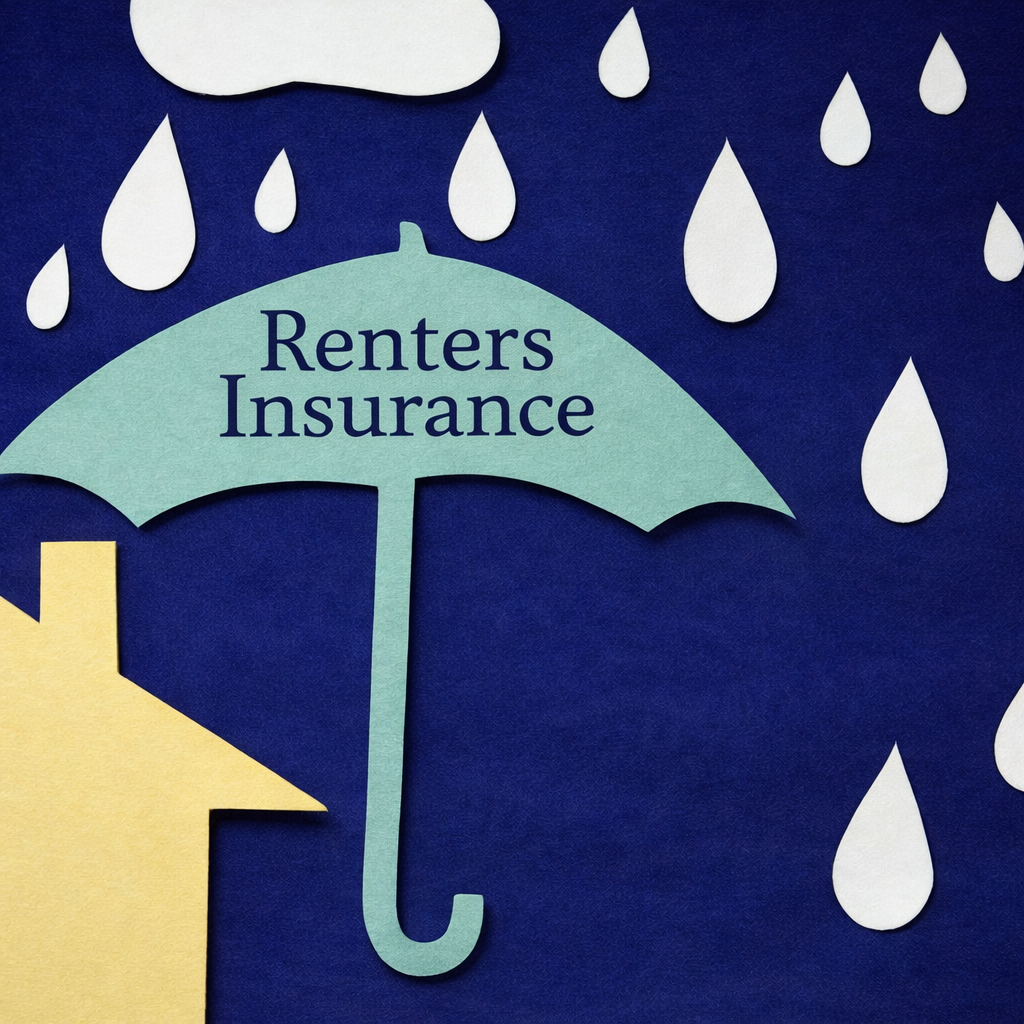
The tenant renters insurance pros and cons center on balancing tenant financial protection against the added monthly cost of a policy. For property managers, the primary advantage is shifting liability and property damage claims away from the owner's insurance, while the main disadvantage is the potential financial burden on low-income households. Understanding these trade-offs helps affordable housing operators implement compliant, effective risk management strategies.
As a property owner or manager in the residential property rental industry, you understand the importance of protecting your tenants' interests. However, have you ever considered what would happen if a tenant's personal belongings were damaged or stolen while renting your property? For related operational guidance, review property management tools and dashboards.
Unfortunately, this common occurrence can lead to significant financial losses for the tenant and the property owner. The good news is that there is a solution—rental insurance for apartments.
In this blog post, we will explore the pros and cons of renters insurance as a tenant and provide the information you need to decide whether to encourage your tenants to purchase a renters insurance policy. Keep reading to understand the benefits and drawbacks of renters insurance and become equipped to take action to protect your tenants and your rental properties better.
Pros of Getting Renters Insurance
As a property owner or manager in the residential property rental industry, you understand the value of providing tenants with a safe and secure living environment. Tenant rental insurance can help achieve this goal by providing several benefits to the tenant and the landlord. Let's explore the pros of getting renters insurance in more detail.
Protecting Personal Belongings
Renters insurance can help cover losses caused by theft, fire, or natural disasters. It provides financial protection to tenants for their personal belongings in the event of an unexpected event. For example, if a tenant's apartment is burglarized, renters insurance can help cover the cost of replacing stolen items such as electronics, jewelry, and other valuables.
Similarly, if a fire or natural disaster damages the tenant's belongings, renters insurance can help cover replacing or repairing those items. Renters' insurance can also cover items lost or stolen outside the rental property. For example, if a tenant's laptop is stolen while traveling, their renters' insurance policy may cover replacing it.
Liability Coverage
In addition to protecting personal belongings, renters insurance also provides liability coverage. Liability coverage can help protect tenants from financial losses from accidental damages or injuries on the rental property. For example, suppose a tenant accidentally damages the rental property or causes an injury to someone else. In that case, their renters' insurance policy may cover repairing the damage or medical expenses.
Liability coverage can also benefit landlords by reducing their potential liability in the event of an incident. If a tenant causes damage to the rental property or causes an injury to someone else, the landlord could be held liable. However, if the tenant has renters insurance, the liability coverage in their policy can help cover the costs, reducing the landlord's potential liability.
Additional Living Expenses Coverage
Another benefit of renters insurance is that it can help cover additional living expenses if a tenant is forced to relocate temporarily due to damage to the rental property. If a tenant's apartment is damaged due to a covered event, such as a fire or flood, they may need to move out temporarily while repairs are made.
Renters insurance can help cover the cost of temporary housing, such as a hotel or apartment, and any additional expenses incurred due to the move. For example, suppose a tenant typically spends $500 monthly on groceries, but their temporary housing requires them to eat out more frequently. In that case, their renter's insurance policy may cover the difference in food costs.
Renters insurance can help alleviate the financial burden on tenants who must move out temporarily due to rental property damage by providing coverage for additional living expenses.
Peace of Mind
One significant advantage of getting renters insurance is the peace of mind that comes with knowing that your personal belongings and financial security are protected. As a tenant, you can have peace of mind that your assets are covered in case of theft, fire, or any other natural disaster. This protection can help you avoid financial losses and emotional stress during an unexpected event.
As previously stated, renters insurance can also provide liability coverage, protecting you financially if someone is injured while on your rental property. This coverage can help cover medical expenses, legal fees, and other potential damages. Liability coverage can provide peace of mind, knowing you are protected from unforeseen incidents that could otherwise result in significant financial losses.
Renters insurance can let you fully enjoy your rental property without worrying about unexpected financial losses. Property owners and managers must educate tenants on this type of coverage, enabling them to make an informed choice on whether or not to acquire renters insurance.
Cons of Getting Renters Insurance
While there are several benefits to getting tenant rental insurance, it's important to consider some potential drawbacks before deciding. Here are the possible cons to consider.
Additional Expense
One of the main cons of getting renters insurance is that it can be an added expense for tenants already paying rent and other living expenses. This can be a deterrent for some tenants who may feel that they cannot afford the additional cost of a renters insurance policy.
However, there are ways for tenants to find affordable renters insurance policies. One option is to compare quotes from different insurance providers to find the best rate. Another option is to bundle renters insurance with other types of insurance, such as car insurance, to take advantage of a multi-policy discount.
Limited Coverage
Another potential drawback of renters insurance is that it may not cover certain types of losses, such as damage caused by flooding or earthquakes. Tenants need to review the terms and conditions of their policy carefully to understand what kinds of losses are covered and which are excluded.
If a tenant is concerned about a particular type of loss not covered by their renter's insurance policy, they may be able to supplement their coverage with additional insurance. For example, if the rental property is located in an area prone to earthquakes, the tenant may want to consider purchasing earthquake insurance in addition to their renter's insurance policy.
Encourage Renters Insurance for Tenant Protection
Renters insurance can provide essential benefits to tenants, such as protecting personal belongings, liability coverage, and additional living expenses coverage. However, it has potential drawbacks, such as additional expense and limited coverage.
It is important to educate tenants about apartment rental insurance and encourage them to consider purchasing a policy. To protect your tenants adequately, consider making renters insurance a requirement in your lease.
If you're looking for customizable property management software to help you streamline your operations, check out ExactEstate and take the first step toward better property management.
What are the key tenant renters insurance pros and cons?
The primary benefits include protecting personal belongings from damage or theft, providing liability coverage for accidental injuries, and covering additional living expenses if the unit becomes uninhabitable.
Why should property managers understand these tenant renters insurance pros and cons?
Understanding these factors allows property managers to better educate residents on the value of coverage, ultimately reducing financial risk and fostering a more secure affordable housing community.
How do HUD asset thresholds impact the tenant renters insurance pros and cons?
Federal asset thresholds directly impact the tenant renters insurance pros and cons by capping the total value of personal belongings a household can hold before facing compliance reviews. While insurance protects these belongings, tenants must ensure their covered property values do not inadvertently push them over federal limits, making careful policy selection a vital part of maintaining affordable housing eligibility.
According to 24 CFR 5.618, compliance reviews are triggered when:
Furthermore, 24 CFR 5.603 provides an exclusion for personal property, stating:
To streamline this process, 24 CFR 5.618 allows for self-certification under specific conditions:
Property managers can use the following checklist to help tenants balance their renters insurance coverage with these HUD asset limits:
The primary pros include liability protection, coverage for personal belongings, and additional living expenses if a unit becomes uninhabitable. The main cons are the added monthly premium costs for tenants and the fact that standard policies exclude certain perils like floods or earthquakes, requiring separate riders.
Property managers must understand these factors to balance risk mitigation with tenant affordability. Requiring coverage protects the property owner from liability claims and property damage caused by tenant negligence, but managers must also ensure the mandate does not create an undue financial burden that leads to lease violations or evictions.
HUD asset thresholds directly influence a tenant's ability to pay for renters insurance and their overall financial risk profile. When evaluating coverage requirements, managers must consider that households with significant assets face different compliance realities. According to 24 CFR 5.618, stricter limits apply when a family's net assets exceed $100,000, while self-certification is permitted for assets under $50,000. Furthermore, a standard dependent deduction of $480 reduces adjusted income, directly impacting the disposable income a household can allocate toward insurance premiums (24 CFR 5.611).
HUD Asset and Income Thresholds Checklist
Use the following federal thresholds to assess tenant financial profiles when enforcing renters insurance mandates:
- Net assets exceeding $100,000 trigger strict eligibility reviews and disqualify families from certain affordable housing programs (24 CFR 5.618).
- Owners may accept tenant self-certification without additional verification if net family assets do not exceed $50,000 (24 CFR 5.618).
- A deduction of $480 for each dependent reduces adjusted annual income, which affects the household's remaining budget for insurance premiums (24 CFR 5.611).
"(i) The family's net assets (as defined in § 5.603) exceed $100,000, which amount will be adjusted annually by HUD in accordance with the Consumer Price Index for Urban Wage Earners and Clerical Workers;" (24 CFR 5.618).
Sources
- 24 CFR 5.603 — the regulation text — Electronic Code of Federal Regulations
- 24 CFR 5.618 — the regulation text — Electronic Code of Federal Regulations
- 24 CFR 5.611 — the regulation text — Electronic Code of Federal Regulations
What changed
- — no regulatory figure is stated, so nothing to contradict
- — 4 cited figure(s) match the current regulation text
About the author

Matt Hoskins is the CEO of ExactEstate. He grew up in his family’s affordable housing management company and has spent his career on the operator side of LIHTC, HUD and Section 8 properties. ExactEstate is the result: compliance-first property management software for affordable housing, with TRACS submission built in.