The Rise of the Smart Multifamily Community
Multifamily Housing
The smart multifamily community is rising because connected devices reduce operational costs, improve energy efficiency, and meet modern tenant expectations for convenience and security. Property managers adopt these technologies to streamline maintenance, lower utility expenses, and increase resident retention in a competitive housing market.
Smart homes are growing fast in popularity. Renters also feel more connected to their communities than ever. By 2025, nearly 500 million users worldwide will have smart home tech. Today’s residents expect these perks in top apartments. For related operational guidance, review multifamily property management software.
Property managers must invest in smart upgrades. Without them, you risk losing potential tenants and falling behind competitors. Here are the biggest ways smart apartments improve resident life. They also improve operations and save PMs time and money.
How Smart Apartments Unlock New Opportunities
Setting your thermostat with a phone is cool. But smart tech offers much more than just neat perks. Digital infrastructure helps residents and PMs make better choices. It also saves money and improves everyone’s daily life.
When property managers embrace smart home technology, they benefit from:
- Improved energy and utility efficiency. Smart lights, plugs, energy monitors, and sprinklers make it easy to keep costs down.
- Enhance security for their units. When your apartments have smart locks and doorbells, granting access, troubleshooting resident issues, and keeping your community safe is much easier.
- Access powerful data. With the data smart devices provide for KPIs like consumption and building maintenance, you can make informed management decisions for your apartments.
- Maximize your time and productivity. Devices that can be monitored and adjusted remotely allow PMs to handle time-consuming tasks without leaving the desk.
The Smart Home Features Modern Tenants Want
Today’s renters will not pay less to live in an unconnected community. But they will often pay more for smart tech benefits. These investments slowly increase the market value of your units. This happens when you keep up with property management trends.
Today’s tenants want smart home features like:
Smart Locks
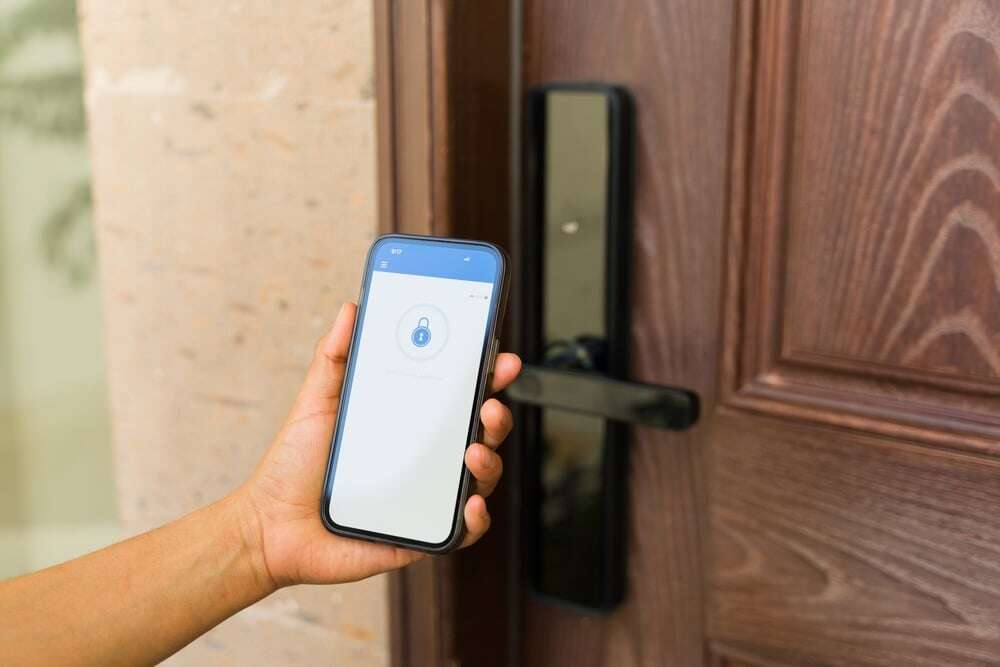
Smart locks remove the need for physical keys. Instead, residents can unlock their apartments with a fingerprint scan. They can also use a smartphone app or a numeric keypad.
These devices help PMs grant access to potential renters. They also make it easy to manage access issues across the property. Smart locks boost building security by stopping lockpicking. Plus, they timestamp access so you know exactly when someone enters.
Smart Doorbells
A smart doorbell lets tenants check a video feed of their front door from a phone. PMs can also use doorbell cameras to watch the property. You can even access this footage to support legal action.
Smart Lighting
In the past, apartment lighting only had “on” and “off” settings. Smart lighting changes this. Residents can work under cool white lights and relax later with warmer tones. They can even enjoy rainbow-colored lighting during parties.
The benefits of smart lighting go far beyond color changes. These lights improve energy efficiency. They also deter intruders with a dedicated “away mode.”
Voice Control
Voice commands are the best way to control smart lighting. Tenants can use their voices to manage lights and other smart features. You can easily give residents this ability by adding smart speakers as an amenity. These tools also help residents with disabilities.
Smart Thermostats
Smart thermostats greatly increase energy efficiency in your units. These devices help you minimize utility costs for unoccupied apartments.
Tenants will also enjoy lower utility bills. The thermostat learns their preferred temperatures and daily schedule. Lower bills impact their overall budget when choosing an apartment. This gives you a chance to beat the competition or raise your fair market value.
The Challenges of Implementing Smart Home Technologies
The smart devices listed above offer major benefits for you and your tenants. But you will face a few challenges when adding smart home tech.
To successfully add smart devices to your apartment units, plan for:
- A complicated setup process. Setting up a single smart device shouldn’t be too complex, but things can get tricky when you’re implementing multiple devices for every unit in a multifamily apartment building. Using platforms like Amazon Alexa or Apple Home can help.
- Compatibility issues. Smart devices aren’t guaranteed to work with every other product in this category. While buying smart technology for your apartment building, make sure the devices you’ve picked out are compatible with each other.
- Connectivity problems. Most smart devices rely on a wireless internet connection. With that in mind, you’ll want to ensure your buildings have strong Wi-Fi coverage in your community before making other improvements.
- Cybersecurity and privacy concerns. Smart home systems can collect user data, which could be exposed in the event of a privacy breach. To minimize this risk, keep your smart devices updated and change their passwords on a regular basis.
Using Technology to Connect Your Resident Community
These devices save money and help your property run better. They also make it easier for residents to interact. Connected communities let people talk quickly with management during problems. This builds relationships that create healthier, happier living spaces.
You need property management software with a strong resident portal to reach this goal. Residents can use it to see building updates and send messages. They can also post on community boards and plan activities.
Resident portals offer many practical benefits. Tenants can use the portal app to submit work orders and pay rent online. Top software streamlines work orders, vendor management, and invoicing. It also tracks payments. This simplifies your workflow and stops costly errors.
Enhance Your Multifamily Buildings With Property Management Software
Property management programs do more than run a resident portal. They also simplify work order management and show real-time apartment data. Plus, they help you screen new tenants.
Smart devices and resident portals help you build sustainable multifamily properties. This tech improves energy efficiency and security. It also helps tenants connect with neighbors in new ways.
A top property management platform like ExactEstate makes this easy. It helps property managers organize and optimize every part of their business.
Do you want a property management system that improves your community? Schedule a demo of ExactEstate today. Learn how to turn your smart investments into intelligent insights.
What are the main benefits of smart apartments?
Smart apartments offer many advantages to property managers and residents. Automated climate control improves energy efficiency. Smart locks and doorbells boost security. Voice-activated lighting and appliances add convenience. These features improve the resident experience and lower property costs.
How does technology help connect resident communities?
Technology connects communities with digital platforms and shared smart amenities. These tools encourage interaction. Property management software integrates these features to boost communication and plan events. This creates a cohesive space where residents feel engaged and supported.
How does technology simplify affordable housing compliance?
Property management software integrates smart community data with strict federal compliance requirements for affordable multifamily housing. Automated systems calculate tenant rent burdens to ensure they do not exceed 30 percent of the area median income, as defined by 24 CFR 5.603. The software also applies mandatory deductions, such as the $480 allowance for each dependent outlined in 24 CFR 5.611, and continuously monitors household wealth to flag when net assets exceed the $100,000 threshold specified in 24 CFR 5.618. For households below that upper limit, the system leverages streamlined verification rules.
"(1) A PHA or owner may determine the net assets of a family based on a certification by the family that the net family assets (as defined in § 5.603) do not exceed $50,000, which amount will be adjusted annually in accordance with the Consumer Price Index for Urban Wage Earners and Clerical Workers, without taking additional steps to verify the accuracy of the declaration." (24 CFR 5.618)
Sources
- 24 CFR 5.603 — the regulation text — Electronic Code of Federal Regulations
- 24 CFR 5.611 — the regulation text — Electronic Code of Federal Regulations
- 24 CFR 5.618 — the regulation text — Electronic Code of Federal Regulations
What changed
- — 4 cited figure(s) match the current regulation text
About the author

Matt Hoskins is the CEO of ExactEstate. He grew up in his family’s affordable housing management company and has spent his career on the operator side of LIHTC, HUD and Section 8 properties. ExactEstate is the result: compliance-first property management software for affordable housing, with TRACS submission built in.